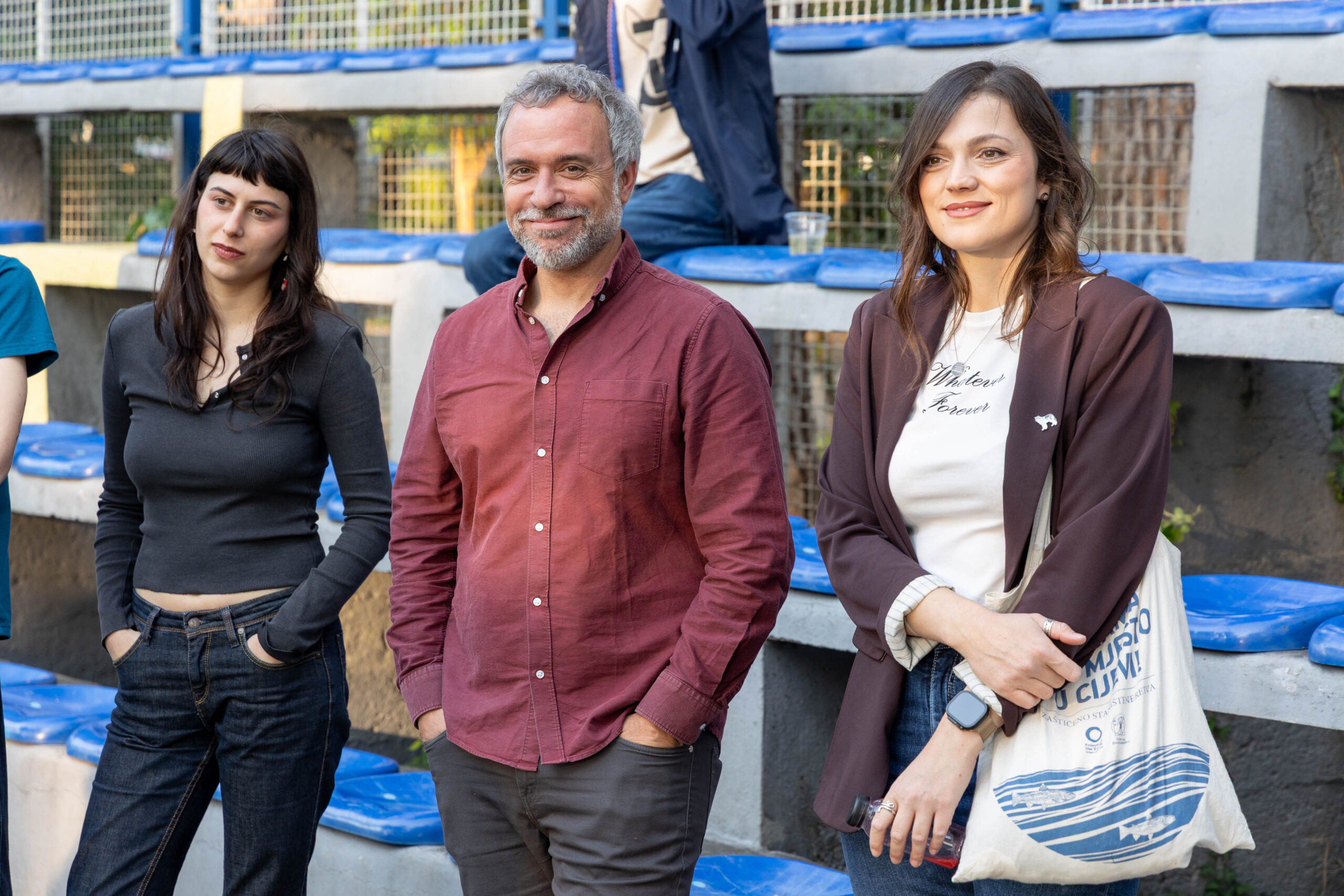
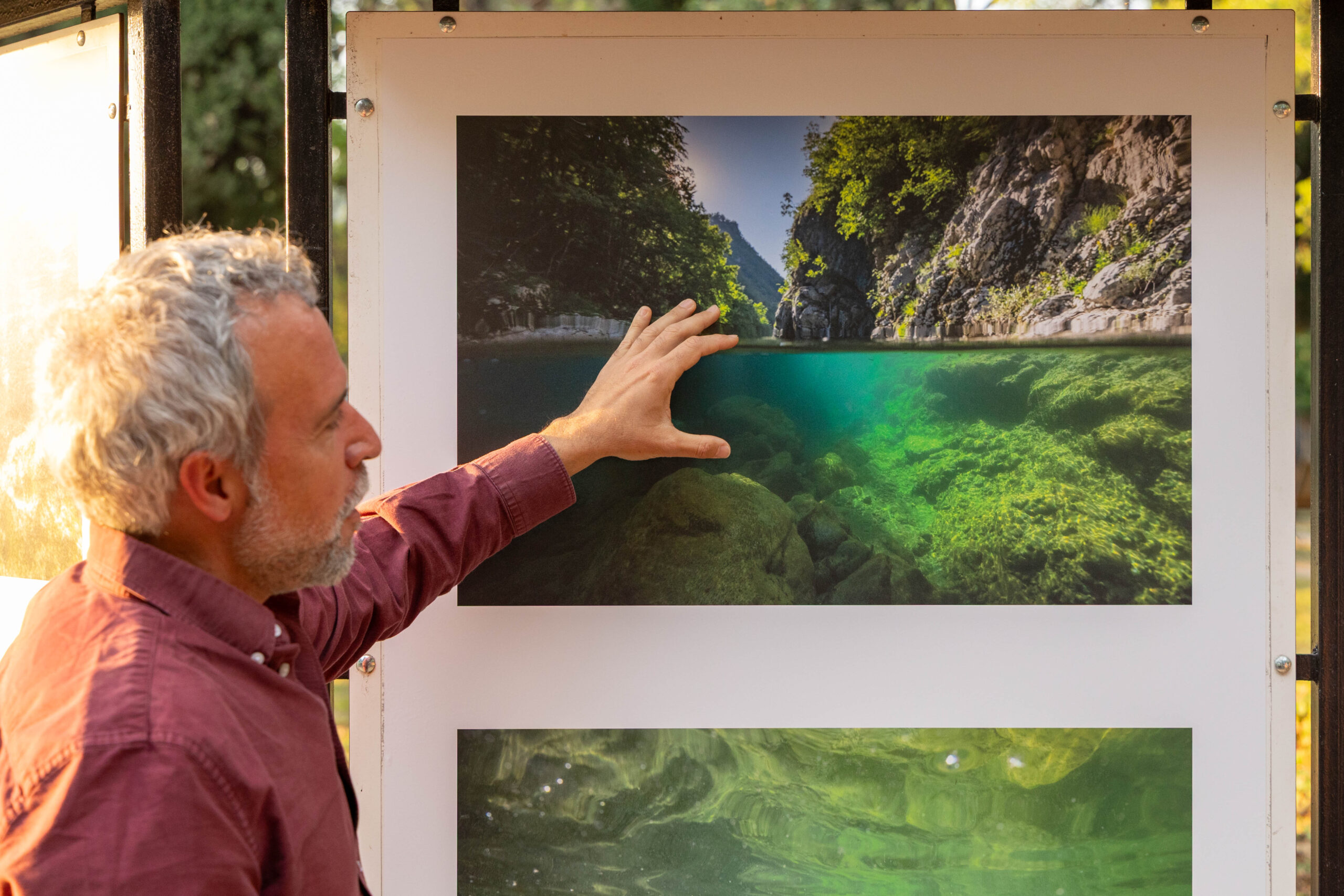
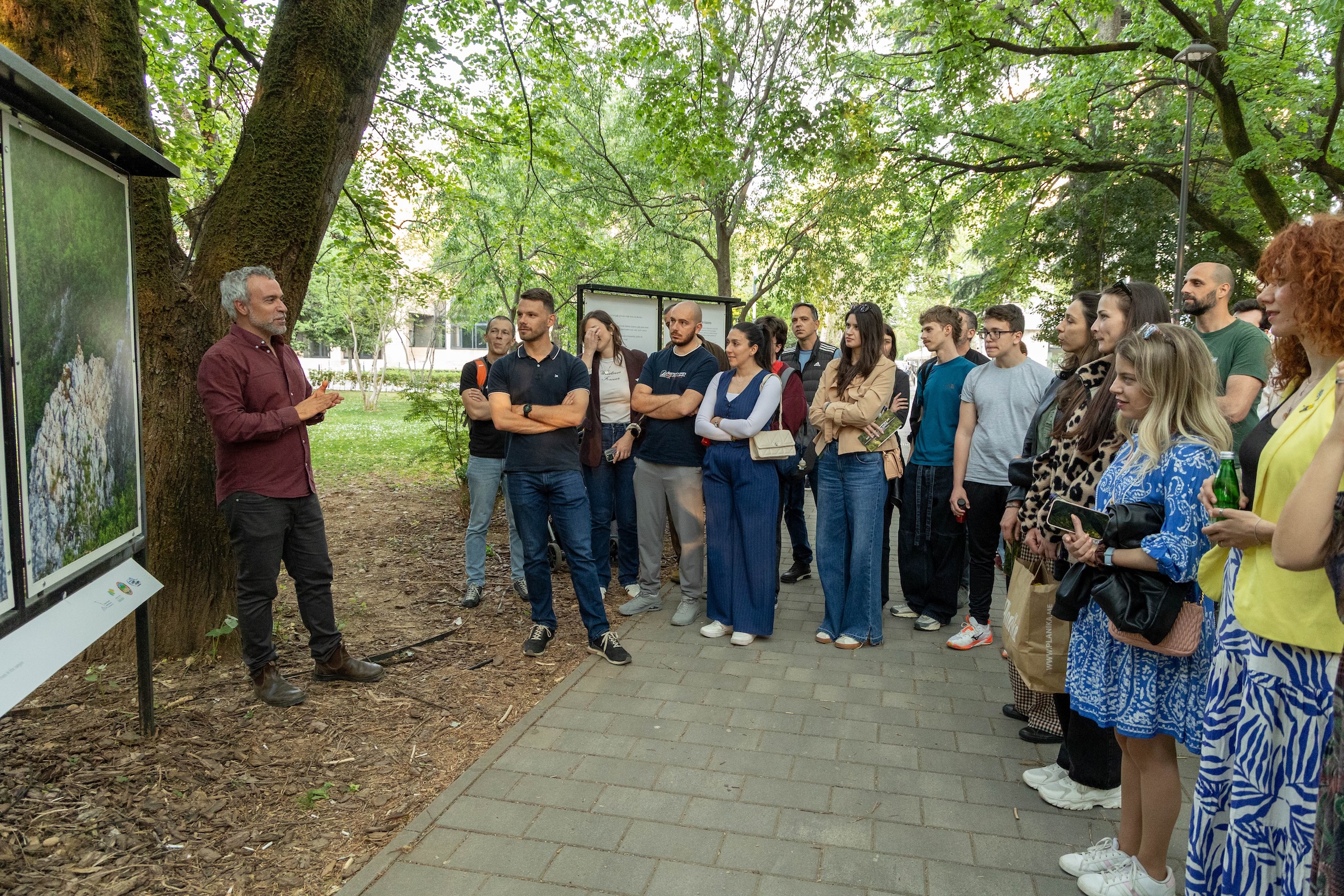
An exhibition titled “Komarnica: Wild and Free” by internationally acclaimed wildlife photographer Bruno D’Amicis has opened in Njegošev Park in Podgorica, organized by the Montenegrin Ecologists Society (MES). The exhibition brought together a large number of citizens, nature lovers, and institutional representatives, aiming to draw attention, through art, to the exceptional natural values of the Komarnica River and the need for its protection.
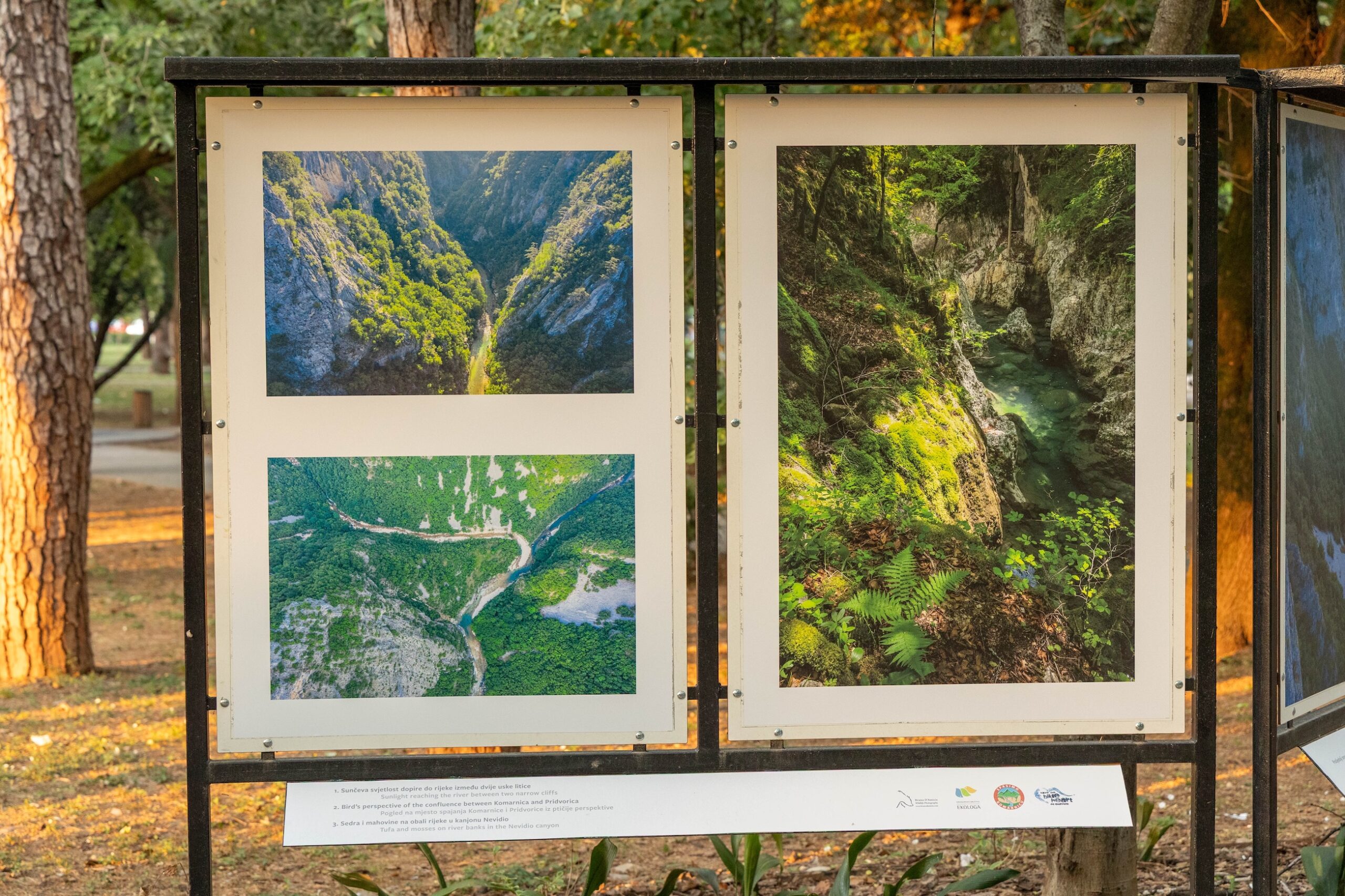
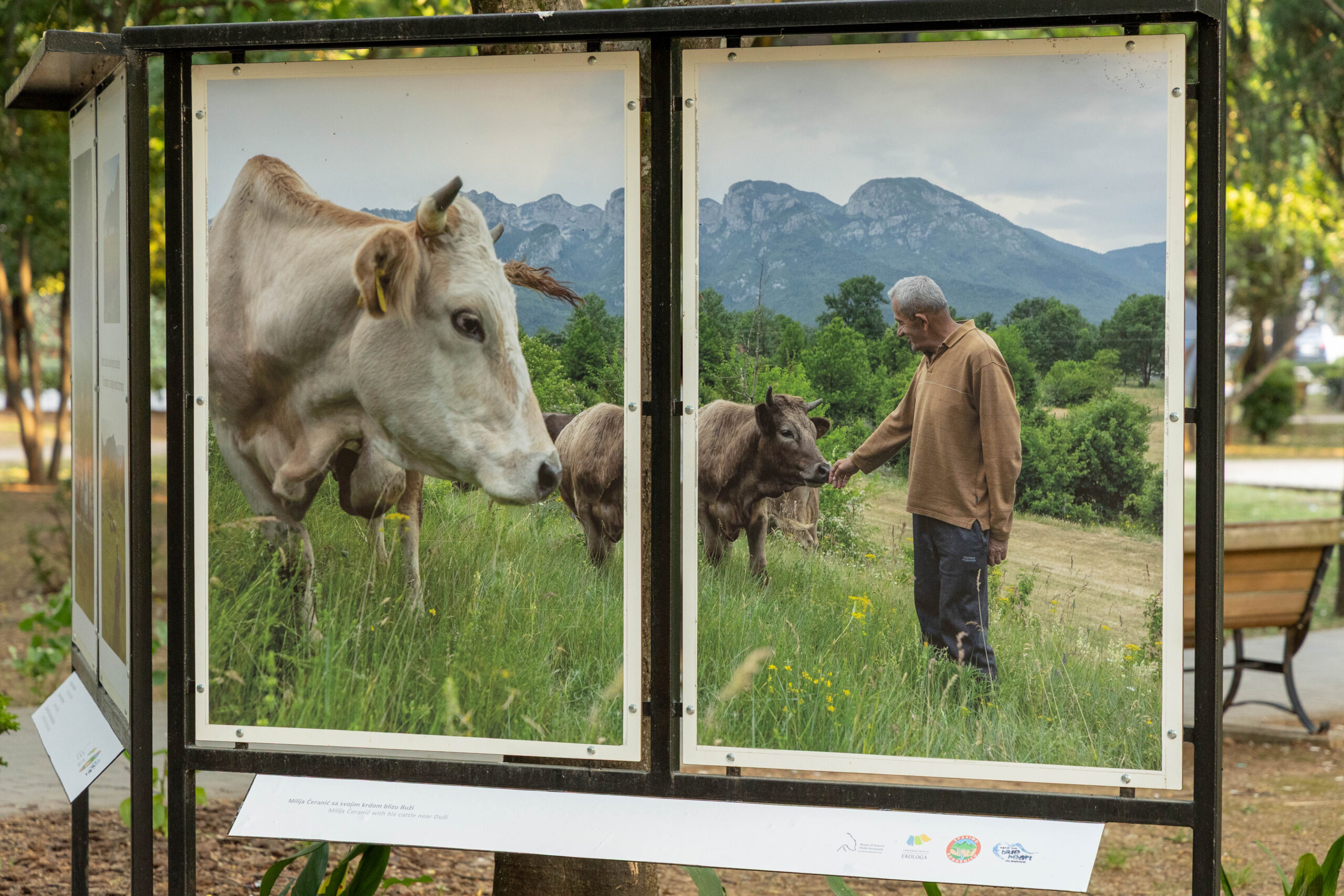
D’Amicis spent two weeks in the Komarnica area, capturing not only its impressive landscapes and rich biodiversity, but also the lives of people deeply connected to this place. His photographs tell a powerful and authentic story of one of the last preserved river canyons in Montenegro—a place that is at once wild, yet vulnerable.
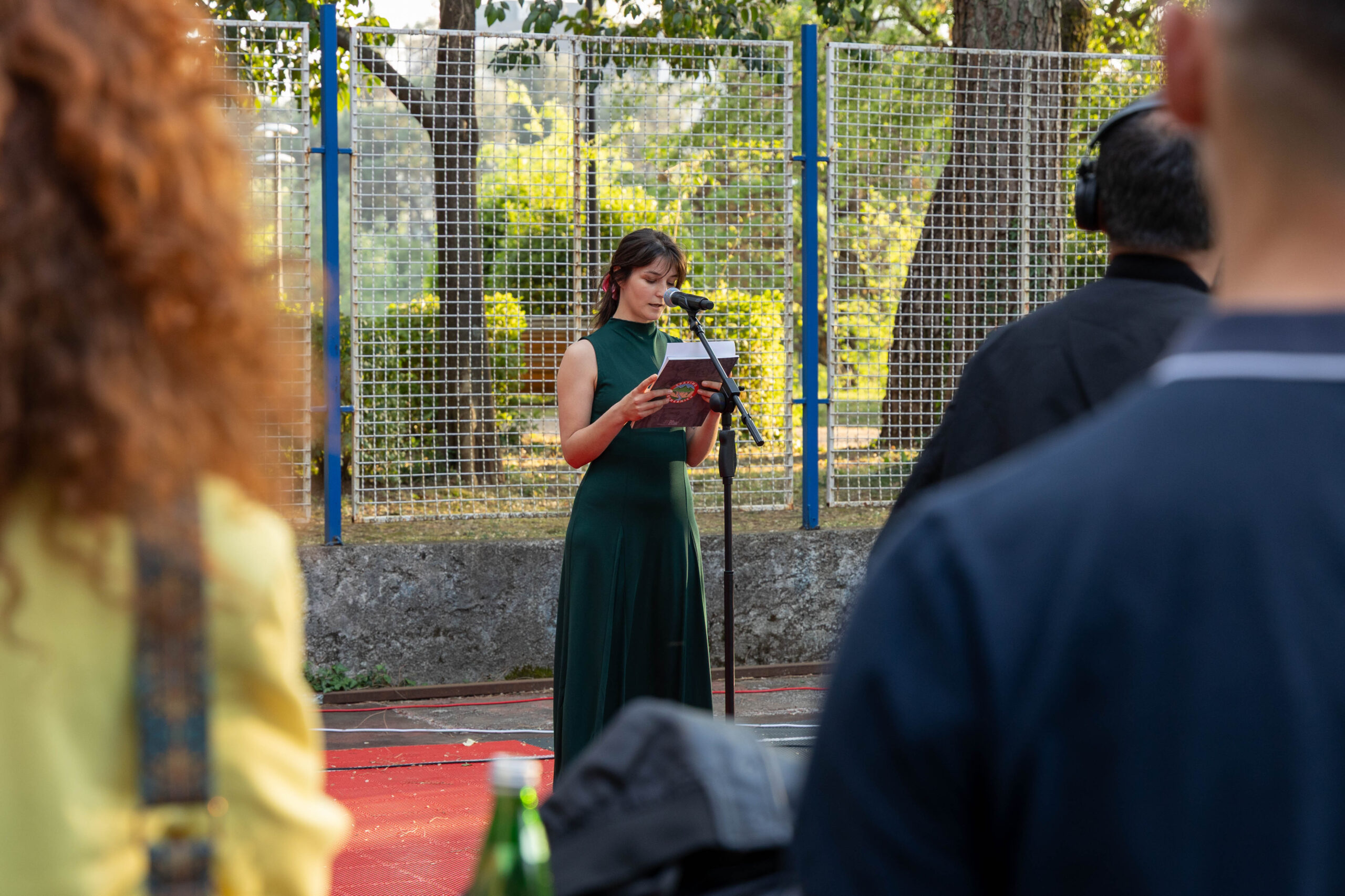
Opening the exhibition, MES representative Jelena Popović highlighted that D’Amicis, through his work, manages to capture nature as it truly is when humans are not in its immediate presence.
“When we become still enough in nature and give it time, an entirely different world begins to reveal itself: rich in sounds, movement, and life that often escapes us. These are precisely the moments that Bruno captures and shares with all of us,” said Popović, adding that the exhibition represents a fusion of art and a strong message about nature conservation.
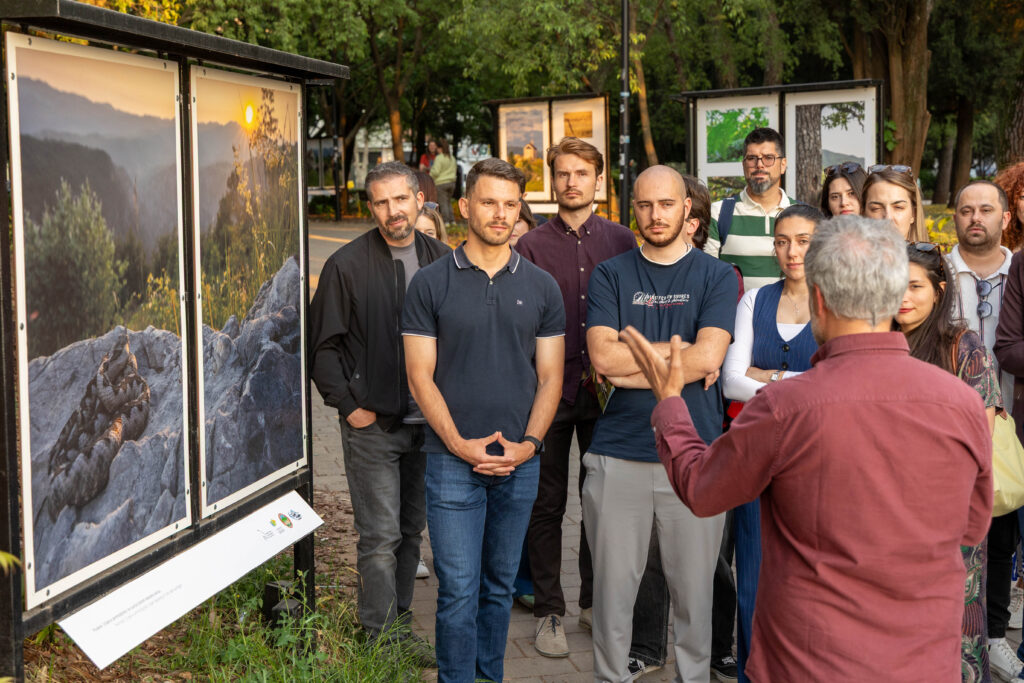
She recalled that the collaboration with D’Amicis began two years ago, and that the exhibition is the result of a shared desire to bring the beauty of Montenegro’s rivers closer to the public and to further highlight their value in a sustainable way.
The author himself noted that he was drawn to Montenegro by a combination of curiosity and a sense of responsibility toward nature.
“Through my work, I try to encourage people to pause, to pay attention, and to reflect on our relationship with the world we belong to. Komarnica was a special experience for me – a place that changes you as you get to know it,” said D’Amicis.
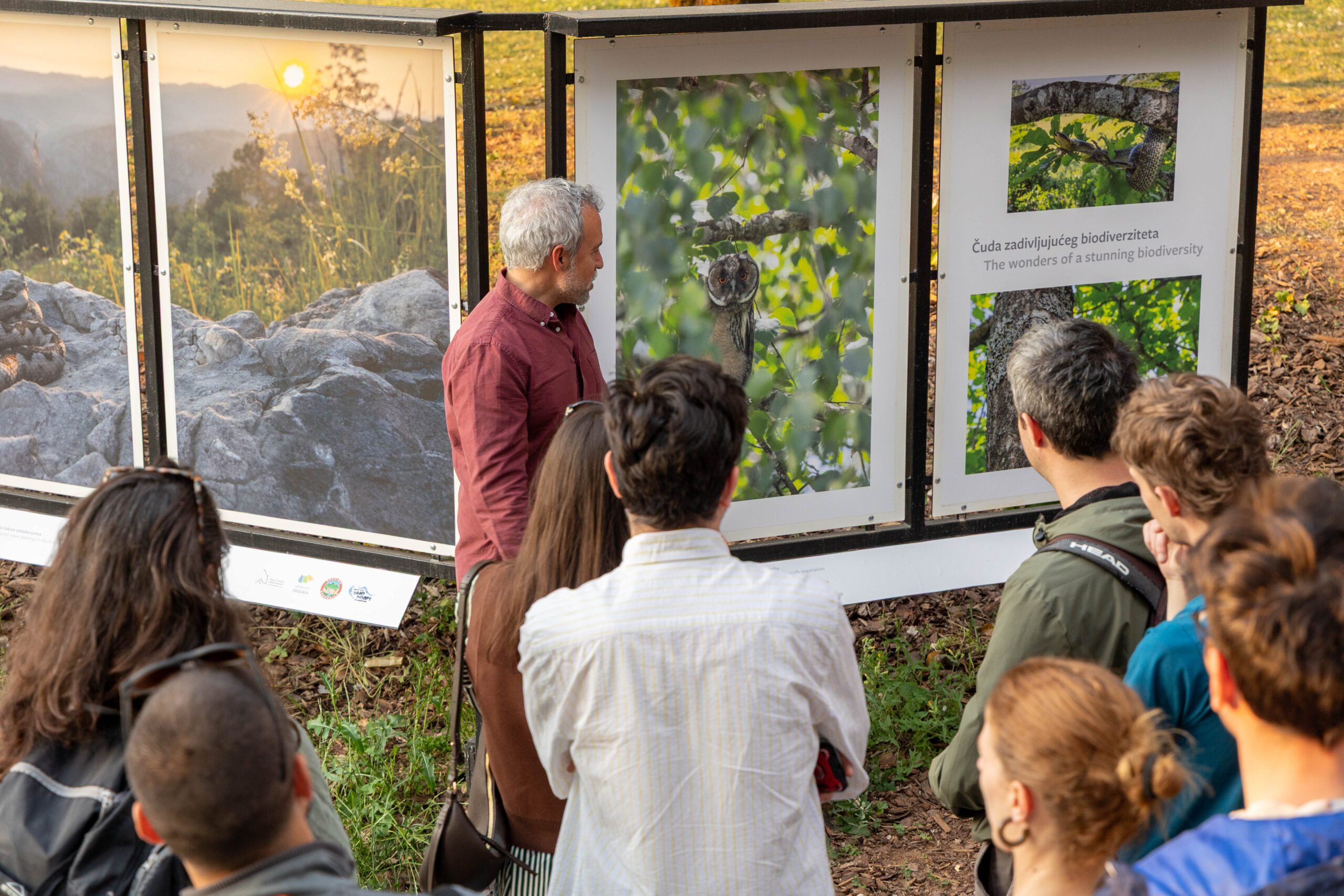
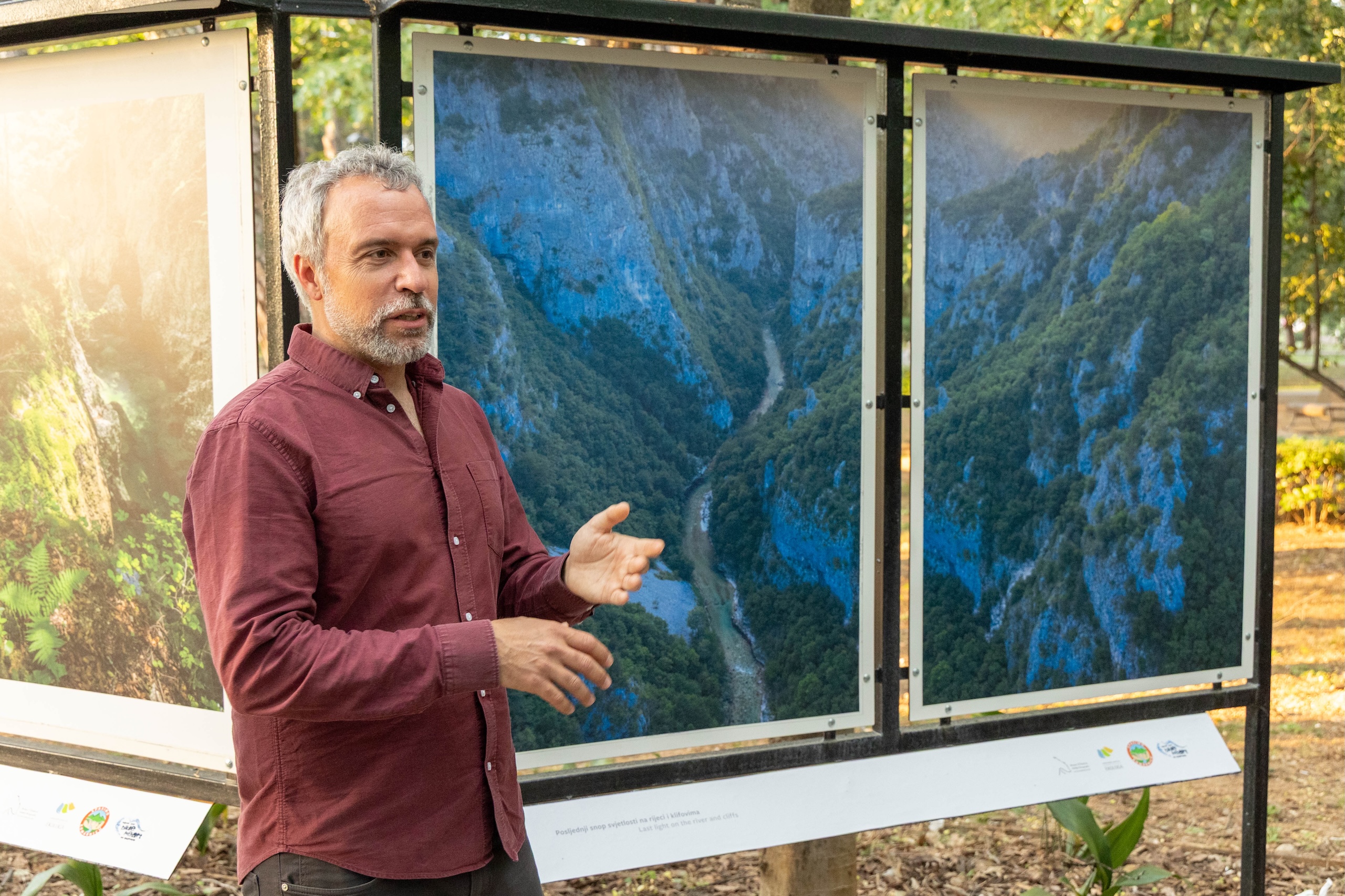
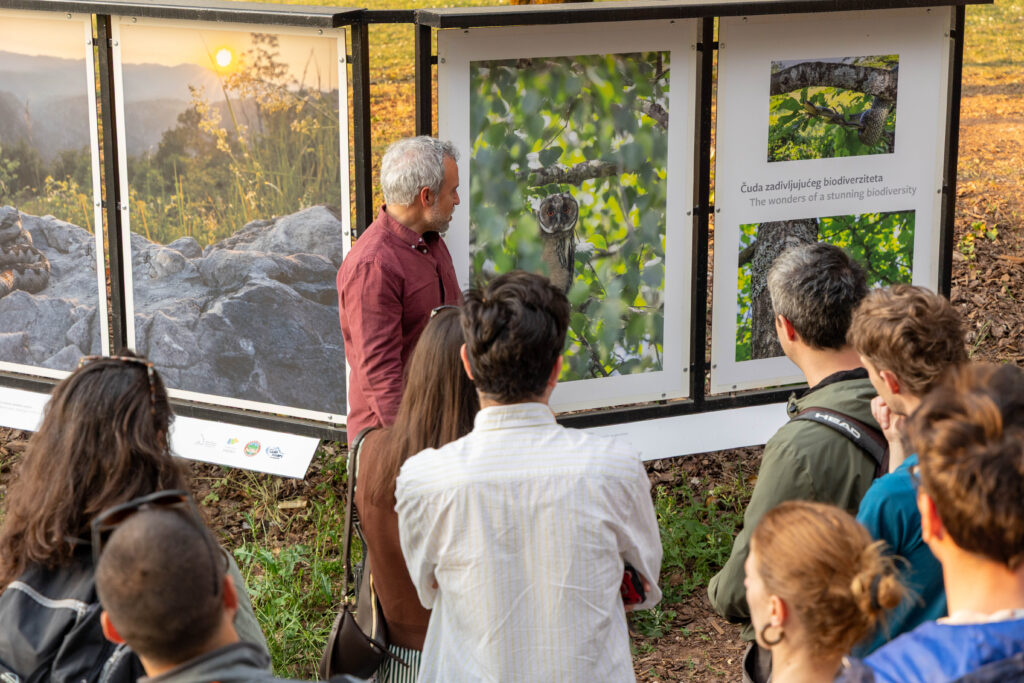
He emphasized that through the exhibition he aimed to present the many “inhabitants” of this landscape: from people, to ancient trees and birds of prey, to the smallest organisms that make up its complex ecological system.
The exhibition was organized within the Save Komarnica initiative, with the support of the company Patagonia and in cooperation with the Secretariat for Culture of the Capital City, which enabled the exhibition to be set up in Njegošev Park.
The organizers emphasize that this event represents another step in the broader effort to protect the wild rivers of the Balkans through the Save the Blue Heart of Europe initiative, and they invite the public to recognize the importance of preserving Montenegro’s natural heritage.
Following the official program, visitors had the opportunity to tour the exhibition guided by the author, engage in discussions about his work, and continue socializing in an informal setting.